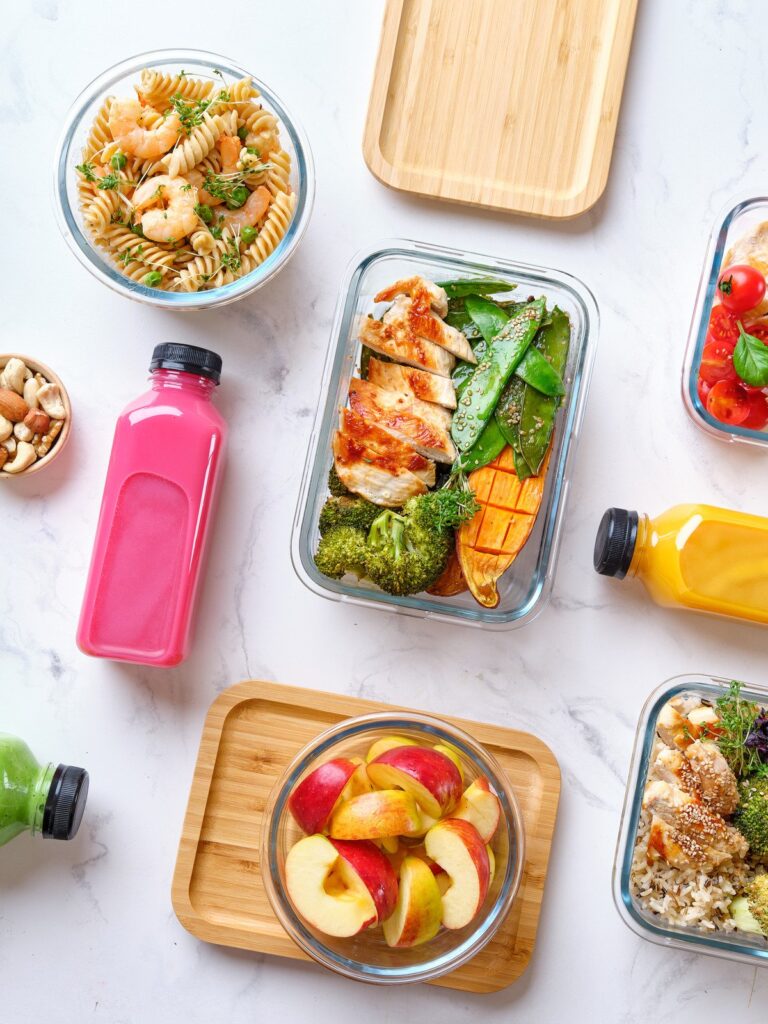
Eating healthy does not have to be complicated or expensive. Simple meals prepared with everyday ingredients can provide a variety of nutrients and make balanced eating easier.
At Nutrition Solutions, we believe that healthy cooking begins with understanding ingredients, choosing a variety of foods and preparing meals in practical ways.
This guide brings together easy homemade recipes, nutritious breakfast ideas, balanced lunch and dinner options, healthy snacks and useful cooking tips. The recipes include familiar Indian foods that can be adapted to different tastes, seasons and household preferences.
What Makes a Recipe Healthy?
A nutritious recipe combines different food groups to provide a variety of nutrients.
A balanced meal can include:
- Whole grains: Whole wheat, brown rice, oats, millets and other minimally processed grains.
- Protein-rich foods: Lentils, beans, chickpeas, peas, dairy products, eggs, fish or lean meat.
- Vegetables: Green leafy vegetables and colorful seasonal vegetables.
- Fruits: Fresh seasonal fruits as part of meals or snacks.
- Nuts and seeds: Almonds, walnuts, flaxseeds, chia seeds and other varieties in modest portions.
- Healthy fats: Moderate amounts of suitable cooking oils and naturally occurring fats.
Try to include variety rather than relying on one particular food. A healthy meal does not need expensive ingredients or complicated preparation.
1. Healthy Breakfast Recipes
Breakfast can be a convenient opportunity to include whole grains, protein and fruits in your daily eating pattern.
Vegetable Oats Upma
Ingredients:
- 1 cup rolled or plain oats
- ½ cup mixed vegetables
- 1 small onion, chopped
- ½ teaspoon mustard seeds
- A few curry leaves
- 1 teaspoon cooking oil
- Water and salt as needed
Preparation:
- Lightly roast the oats in a pan and keep aside.
- Heat oil and add mustard seeds and curry leaves.
- Add onion and vegetables and cook until slightly tender.
- Add water and salt.
- Stir in the oats and cook until the mixture reaches the desired consistency.
Nutrition highlights: Oats provide soluble fiber, while vegetables add vitamins, minerals and additional fiber.
Moong Dal Chilla
Ingredients:
- 1 cup yellow or split green moong dal
- 1 small onion, finely chopped
- 1 small tomato, chopped
- Green chilli and coriander
- A pinch of cumin
- Salt as needed
- A little oil for cooking
Preparation:
- Soak moong dal for approximately 3–4 hours.
- Drain and blend with a little water to make a smooth batter.
- Add onion, tomato, coriander, cumin and salt.
- Spread the batter on a heated non-stick pan.
- Cook both sides using a little oil until fully cooked.
Nutrition highlights: Moong dal provides plant-based protein and fiber. Adding vegetables improves the variety of nutrients.
Vegetable Poha
Ingredients:
- 1 cup flattened rice (poha)
- ½ cup peas and chopped vegetables
- 1 small onion
- A few curry leaves
- 1 teaspoon cooking oil
- Mustard seeds, turmeric and lemon juice
- Peanuts (optional)
Preparation:
- Rinse poha gently and drain.
- Heat oil, add mustard seeds and curry leaves.
- Add onion, peas and vegetables.
- Add turmeric and cook until vegetables are tender.
- Mix in poha and cook briefly.
- Finish with lemon juice and coriander.
Nutrition highlights: Poha provides carbohydrates, while peas and peanuts contribute additional protein and other nutrients.
Idli with Vegetable Sambar
Ingredients:
- Idli batter
- Toor dal
- Mixed vegetables such as carrots, pumpkin, beans and tomatoes
- Sambar powder
- Tamarind and basic spices
Preparation:
- Prepare idlis using fermented batter.
- Cook toor dal until soft.
- Add vegetables, tamarind water and sambar powder.
- Simmer until the vegetables are tender.
- Serve hot with freshly prepared idlis.
Nutrition highlights: Idli provides carbohydrates, while sambar adds pulses, vegetables and plant-based protein.
2. Healthy Lunch Recipes
Lunch can combine whole grains, pulses, vegetables and curd or other suitable protein sources.
Dal and Vegetable Khichdi
Ingredients:
- ½ cup rice or a suitable whole-grain alternative
- ½ cup moong dal
- 1 cup mixed vegetables
- Turmeric, cumin and salt
- A small amount of cooking oil or ghee
- Water as required
Preparation:
- Wash rice and moong dal.
- Heat a little oil or ghee and add cumin.
- Add vegetables, rice, dal and turmeric.
- Add water and cook until soft.
- Adjust the consistency according to preference.
Nutrition highlights: This combination provides carbohydrates, plant-based protein and fiber from the vegetables and pulses.
Chickpea Vegetable Salad
Ingredients:
- 1 cup cooked chickpeas
- 1 cucumber, chopped
- 1 tomato, chopped
- 1 small onion
- Fresh coriander
- Lemon juice
- Roasted cumin powder and salt
Preparation:
- Use properly soaked and thoroughly cooked chickpeas.
- Allow them to cool.
- Mix with chopped vegetables and coriander.
- Add lemon juice, cumin powder and a little salt.
- Serve fresh.
Nutrition highlights: Chickpeas provide plant-based protein and fiber. Fresh vegetables contribute additional vitamins and minerals.
Vegetable Dal with Whole Wheat Roti
Ingredients:
- ½ cup lentils of choice
- Seasonal vegetables
- Onion and tomato
- Ginger, garlic and basic spices
- Whole wheat flour for rotis
Preparation:
- Wash and cook the lentils until soft.
- Prepare a light onion and tomato mixture with spices.
- Add vegetables and cook until tender.
- Mix in the cooked lentils and simmer.
- Serve with freshly prepared whole wheat rotis.
Nutrition highlights: Lentils contribute protein and fiber, while whole wheat provides carbohydrates and additional fiber.
3. Healthy Dinner Recipes
Dinner can be simple and satisfying. Choose portions that suit your appetite and daily activity.
Vegetable Dalia
Ingredients:
- ½ cup broken wheat (dalia)
- ½ cup mixed vegetables
- 1 small onion
- Cumin seeds
- Turmeric and salt
- A little cooking oil
Preparation:
- Wash the dalia.
- Heat oil and add cumin seeds and onion.
- Add vegetables, dalia and turmeric.
- Add water and cook until soft.
- Serve warm.
Nutrition highlights: Broken wheat provides carbohydrates and fiber, while vegetables add variety.
Palak Dal
Ingredients:
- ½ cup moong or masoor dal
- 1 cup chopped spinach
- 1 tomato
- Ginger and garlic
- Cumin seeds and turmeric
- A little cooking oil
Preparation:
- Wash and cook the dal until soft.
- Wash spinach thoroughly and chop.
- Prepare a light seasoning with cumin, ginger, garlic and tomato.
- Add spinach and cook until wilted.
- Mix in the cooked dal and simmer.
Nutrition highlights: Lentils provide plant-based protein, while spinach contributes folate, vitamin K and other nutrients.
Vegetable Soup
Ingredients:
- 1 cup mixed vegetables
- 1 small tomato
- A small piece of ginger
- Black pepper
- Salt as needed
- Water or unsalted vegetable stock
Preparation:
- Wash and chop the vegetables.
- Cook them with water until tender.
- Blend some or all of the vegetables according to preference.
- Add black pepper and a little salt.
- Heat gently and serve.
Nutrition highlights: Vegetable soup can contribute vitamins, minerals and fiber, especially when the vegetables are not strained out.
4. Healthy Snacks
Snacks can help add variety to your daily food intake. Choose options that provide useful nutrients instead of relying mainly on highly processed snacks.
Roasted Chana
Ingredients:
- Plain roasted chickpeas
- A pinch of cumin powder
- A little black pepper
Preparation: Mix the seasonings with roasted chickpeas and serve.
Nutrition highlights: Roasted chickpeas provide plant-based protein and fiber.
Fruit and Yogurt Bowl
Ingredients:
- ½ cup plain curd or yogurt
- Seasonal fruits such as apple, banana or papaya
- A few chopped nuts or seeds
Preparation:
- Place plain yogurt in a bowl.
- Add washed and chopped fruits.
- Sprinkle a small quantity of nuts or seeds.
- Serve fresh.
Nutrition highlights: Yogurt provides protein and calcium, while fruits contribute fiber, vitamins and minerals.
Sprouts Chaat
Ingredients:
- 1 cup properly cooked moong sprouts
- Chopped tomato and cucumber
- Lemon juice
- Coriander
- Roasted cumin powder
Preparation:
- Steam or cook sprouts thoroughly.
- Allow them to cool.
- Mix with chopped vegetables.
- Add lemon juice and cumin powder.
- Garnish with coriander.
Nutrition highlights: Sprouts provide plant-based protein and fiber. Cooking sprouts thoroughly is important for food safety.
Homemade Vegetable Sandwich
Ingredients:
- 2 slices whole wheat bread
- Cucumber and tomato slices
- Grated carrot
- Plain curd-based spread or hummus
- Black pepper
Preparation:
- Spread a thin layer of curd-based spread or hummus.
- Add the vegetables.
- Season with black pepper.
- Cover with the second bread slice and serve.
Nutrition highlights: Whole wheat bread contributes fiber, while vegetables add vitamins and minerals.
5. Simple Balanced Meal Combinations
A balanced meal does not require a complicated recipe. The following combinations use familiar foods and different food groups.
| Meal | Suggested combination |
|---|---|
| Breakfast | Vegetable poha with curd |
| Breakfast | Moong dal chilla with fruit |
| Breakfast | Idli with vegetable sambar |
| Lunch | Whole wheat roti, dal, seasonal vegetables and curd |
| Lunch | Brown rice, rajma and vegetable salad |
| Lunch | Vegetable khichdi with plain curd |
| Dinner | Palak dal, roti and vegetable salad |
| Dinner | Vegetable dalia with curd |
| Dinner | Vegetable soup with whole wheat sandwich |
| Snack | Fruit and yogurt bowl |
| Snack | Roasted chana |
| Snack | Cooked sprouts chaat |
These are general meal ideas, not fixed meal plans. Adjust ingredients and portions according to age, appetite, activity level, food preferences and individual nutritional needs.
6. Tips for Healthier Cooking
Small changes in cooking habits can improve the overall nutritional quality of everyday meals.
- Use a variety of ingredients: Include different vegetables, fruits, grains and pulses throughout the week.
- Choose whole grains regularly: Include options such as whole wheat, oats, brown rice and millets.
- Include pulses and beans: Dal, chickpeas, kidney beans and other legumes provide plant-based protein and fiber.
- Use cooking oil in moderation: Measure oil instead of pouring it freely.
- Reduce excess salt: Use herbs, lemon juice, ginger, garlic and spices for flavor.
- Limit added sugar: Reduce the frequency of sugary drinks and desserts.
- Prefer homemade meals: Home cooking makes it easier to manage ingredients and cooking methods.
- Follow food safety practices: Wash produce, use clean utensils, refrigerate perishable foods promptly and cook foods thoroughly.
- Avoid unnecessary deep frying: Try steaming, boiling, roasting, grilling or sautéing.
- Stay hydrated: Drink safe drinking water regularly throughout the day.
7. Frequently Asked Questions About Healthy Recipes
1. What is the easiest healthy breakfast to prepare?
Vegetable poha, oats upma, moong dal chilla and idli with sambar are practical options. Choose a combination that includes different food groups and suits your preferences.
2. Are Indian homemade meals healthy?
Many traditional Indian meals include grains, pulses, vegetables, curd, nuts and spices. Their nutritional quality depends on ingredient choices, portion sizes and cooking methods.
3. Can I eat rice as part of a balanced diet?
Yes. Rice can be included in a balanced diet. You can also try brown rice or combine rice with dal, vegetables and other protein-rich foods.
4. What are some healthy evening snacks?
Fruit with yogurt, roasted chana, cooked sprouts chaat, homemade vegetable sandwiches and unsalted nuts are useful options.
5. Are millets suitable for everyday meals?
Millets such as ragi, jowar and bajra can be included as part of a varied diet. They provide different nutrients and can be used in rotis, porridge, dosa and other preparations.
6. How can I make recipes healthier without changing their taste completely?
Start with small changes. Add more vegetables, include pulses, use less oil and salt, and choose whole grains more often. Familiar spices and herbs can help maintain flavor.
7. Are healthy recipes suitable for children and older adults?
Many homemade recipes can be adapted for different age groups. However, ingredient texture, portion size, nutritional requirements and individual health conditions should be considered.
8. Final Thoughts
Healthy eating is built through everyday food choices rather than occasional special meals. Simple homemade recipes using whole grains, pulses, vegetables, fruits, nuts and suitable protein sources can help create a varied and balanced eating pattern.
Experiment with seasonal ingredients, traditional recipes and different cooking methods. Choose foods that are practical, enjoyable and suitable for your household.
At Nutrition Solutions, our goal is to make nutrition information easier to understand so that individuals and families can make informed food choices.
References and Further Reading
- ICMR–National Institute of Nutrition: Dietary Guidelines for Indians, 2024.
https://www.nin.res.in/dietaryguidelines.html - ICMR–National Institute of Nutrition: Official website and nutrition publications.
https://www.nin.res.in/ - World Health Organization: Healthy Diet.
https://www.who.int/news-room/fact-sheets/detail/healthy-diet
Disclaimer
This article is intended for general nutrition education and informational purposes only. It does not replace individualized medical or dietary advice from a qualified healthcare professional or registered dietitian.
People with diabetes, kidney disease, food allergies, digestive conditions or other specific dietary requirements may need to modify ingredients and portions according to professional guidance.