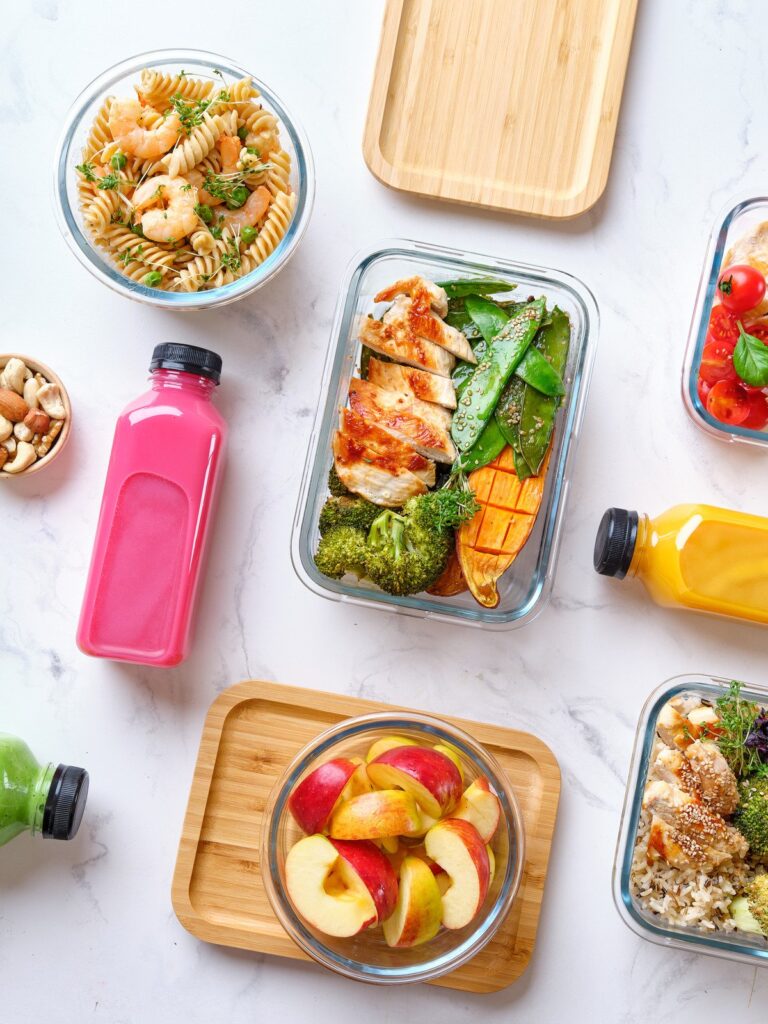
Eating well does not have to be complicated or expensive. A balanced diet can include familiar foods prepared with simple ingredients and healthy cooking methods.
At Nutrition Solutions, we believe healthy eating is about making informed food choices and developing habits that can be maintained over time. This guide brings together practical meal ideas, nutritious food combinations and simple tips to help you plan balanced meals for everyday life.
1. What Makes a Meal Balanced?
A balanced meal provides a combination of nutrients that help the body function normally. Rather than focusing on a single food or nutrient, aim for variety.
A balanced meal can include:
- Vegetables and fruits: Provide vitamins, minerals, fiber and other beneficial plant compounds.
- Whole grains: Foods such as whole wheat, brown rice, oats, ragi and millets provide carbohydrates and fiber.
- Protein-rich foods: Include lentils, beans, chickpeas, milk, curd, paneer, eggs, fish or lean meat.
- Healthy fats: Small amounts of nuts, seeds and suitable cooking oils contribute to the diet.
- Water: Drink enough water throughout the day.
The proportions and food choices can vary according to age, activity level, dietary preferences and individual nutritional needs.
2. Healthy Breakfast Ideas
Breakfast can be a convenient opportunity to include whole grains, protein and fruit in your daily diet. Here are a few simple ideas for a nutritious start to the day.
Vegetable Poha
Vegetable poha is a popular Indian breakfast made with flattened rice, vegetables, peanuts and mild spices. Adding vegetables and peanuts makes it more varied and satisfying.
For ingredients and step-by-step preparation, see:
https://nutritionsolutions.in/healthy-recipes-simple-and-nutritious-meal-ideas/
Vegetable Moong Dal Chilla
Moong dal chilla is a savory pancake prepared with ground moong dal, vegetables and spices. It provides plant-based protein and can be served with curd or mint chutney.
For the detailed recipe, see:
Healthy Recipes – Simple and Nutritious Meal Ideas
Oats Porridge
Ingredients: Rolled oats, milk or fortified plant-based milk, banana or apple, nuts and seeds.
Preparation:
- Cook oats with milk or water until soft.
- Add sliced fruit.
- Sprinkle a small amount of nuts and seeds.
Nutrition highlights: Oats provide soluble fiber, including beta-glucan. Milk can contribute protein and calcium, while fruit adds variety and nutrients.
3. Balanced Lunch Ideas
Lunch can combine whole grains, pulses, vegetables and curd to provide a variety of nutrients. A simple home-cooked meal can be both nutritious and satisfying.
Dal, Roti and Vegetable Sabzi
Ingredients: Whole wheat flour, moong or masoor dal, seasonal vegetables, spices and curd.
Preparation:
- Prepare dal with suitable spices.
- Make whole wheat rotis.
- Cook seasonal vegetables using a moderate amount of oil.
- Serve with plain curd if desired.
Nutrition highlights: Dal provides plant-based protein, roti provides carbohydrates and fiber, and vegetables contribute vitamins and minerals.
Vegetable Khichdi
Rice, moong dal and seasonal vegetables make a convenient one-pot meal. It can be served with plain curd or a fresh vegetable salad.
For the detailed preparation, see our Vegetable Khichdi recipe in Healthy Recipes – Simple and Nutritious Meal Ideas.
https://hebbarskitchen.com/masala-khichdi-recipe-vegetable-khichdi/
Chickpea Salad Bowl
Cooked chickpeas combined with cucumber, tomato, onion, coriander and lemon juice make a refreshing lunch option.
Chickpeas provide plant-based protein and fiber, while vegetables add vitamins, minerals and variety.
4. Healthy Dinner Ideas
Dinner can be satisfying without being unnecessarily heavy. Choose portions that suit your appetite and daily activity, and include a variety of food groups.
Vegetable Dal Soup
Ingredients: Cooked lentils, carrot, tomato, spinach, garlic, cumin and black pepper.
Preparation:
- Cook lentils until soft.
- Add chopped vegetables and spices.
- Simmer until the vegetables are tender.
- Blend partially if a smoother texture is preferred.
Nutrition highlights: Lentils provide plant-based protein and fiber, while vegetables contribute vitamins, minerals and other beneficial nutrients.
Ragi Vegetable Dosa
Ingredients: Ragi flour, a little rice flour, chopped onion, coriander, cumin and water.
Preparation:
- Mix the flours with water to make a pourable batter.
- Add chopped vegetables and spices.
- Spread on a heated non-stick or lightly greased pan.
- Cook until crisp on both sides.
Nutrition highlights: Ragi provides fiber and minerals, including calcium. Serve with sambar or curd for a more varied meal.
Paneer and Vegetable Stir-Fry
Ingredients: Paneer, capsicum, carrot, beans, onion, tomato and spices.
Preparation:
- Cut paneer and vegetables into small pieces.
- Heat a little oil in a pan.
- Add vegetables and cook until tender but not overcooked.
- Add paneer and spices and cook briefly.
Nutrition highlights: Paneer contributes protein and calcium. Vegetables provide fiber, vitamins and minerals.
5. Healthy Indian Snacks
Snacks can be part of a balanced diet. Choose options that provide nutrients and satisfy hunger.
Roasted Chana
Roasted chana is a convenient snack that provides plant-based protein and fiber. It can be enjoyed as a simple alternative to highly processed snacks.
Sprouts Chaat
Combine properly prepared sprouts with cucumber, tomato, onion, coriander and lemon juice. Sprouts should be handled hygienically. Cooking them is a safer choice for people at higher risk of foodborne illness.
Fruit and Nut Bowl
Combine seasonal fruits with a small portion of unsalted nuts. This provides fiber, vitamins, minerals and healthy fats.
Homemade Vegetable Dhokla
Prepare dhokla using gram flour or fermented batter and add suitable vegetables. Steaming is a useful alternative to deep-frying and makes a light snack.
6. Simple Salads and Soups
Salads and soups can add vegetables, fiber and variety to everyday meals.
Cucumber and Tomato Salad
Combine cucumber, tomato, carrot, onion and coriander. Add lemon juice and a little black pepper. Serve freshly prepared.
Mixed Vegetable Soup
Cook seasonal vegetables such as carrot, beans, peas, tomato and spinach with water and mild spices. Serve as a light accompaniment to a balanced meal.
Chickpea and Vegetable Salad
Mix thoroughly cooked chickpeas with cucumber, tomato, capsicum and lemon juice. This provides plant-based protein and fiber and can be served as part of lunch or dinner.
7. Nutritious Drinks
Drinks can contribute to hydration and, depending on their ingredients, provide additional nutrients.
- Plain water: A simple everyday choice for hydration.
- Buttermilk (chaas): A traditional drink made with curd and water. Add roasted cumin and coriander if desired.
- Unsweetened milk: Provides protein and calcium.
- Homemade fruit smoothie: Blend whole fruit with milk or plain curd without adding extra sugar.
- Coconut water: Provides fluid and naturally occurring electrolytes.
Prefer whole fruits regularly rather than relying on fruit juices. Limit drinks with added sugar.
8. Practical Tips for Healthier Cooking
Small changes in cooking methods can help improve the overall nutritional quality of meals.
- Include a variety of vegetables and fruits.
- Choose whole grains and millets regularly.
- Include pulses, beans, nuts, seeds or other suitable protein sources.
- Use cooking oil in moderate amounts.
- Prefer steaming, boiling, grilling, roasting or sautéing over frequent deep-frying.
- Reduce excess salt and added sugar.
- Use seasonal and locally available ingredients.
- Prepare meals at home when practical.
- Maintain food hygiene and store cooked food safely.
- Drink water regularly throughout the day.
9. Sample One-Day Balanced Meal Plan
The following is an illustrative meal plan, not a personalized diet prescription. Portions should be adjusted according to individual needs.
| Meal | Example |
|---|---|
| Breakfast | Vegetable poha with curd |
| Mid-morning | Seasonal fruit |
| Lunch | Whole wheat roti, dal, vegetable sabzi and curd |
| Evening snack | Roasted chana or fruit with a few nuts |
| Dinner | Vegetable khichdi with salad |
| Throughout the day | Water according to thirst and individual needs |
10. Frequently Asked Questions
1. What is the easiest way to start eating healthier?
Start with small changes. Add vegetables to regular meals, include pulses more often, choose whole grains and reduce frequent consumption of foods high in added sugar, salt and unhealthy fats.
2. Are homemade meals healthier than restaurant food?
Homemade meals can make it easier to control ingredients, cooking methods, salt and oil. However, the nutritional quality depends on how the food is prepared.
3. Can vegetarian meals provide enough protein?
A varied vegetarian diet can provide protein through lentils, beans, chickpeas, soy foods, dairy products, nuts and seeds. Including different protein sources throughout the day helps provide a range of essential amino acids.
4. Are millets a good alternative to rice and wheat?
Millets such as ragi, jowar and bajra provide carbohydrates, fiber and various minerals. They can be included as part of a varied diet. No single grain needs to replace every other grain.
5. Should I avoid carbohydrates to eat healthily?
No. Carbohydrates are an important energy source. Choose a variety of nutrient-rich sources, including whole grains, pulses, fruits and vegetables, while considering portion sizes and individual needs.
6. How can I reduce added sugar in my diet?
Reduce sugar added to tea, coffee and homemade drinks. Choose whole fruits more often and limit frequent consumption of sweetened beverages and desserts.
7. Is it necessary to follow the same meal plan every day?
No. Eating a variety of foods helps provide different nutrients. Meals can change according to seasonal availability, preferences, budget and nutritional needs.
11. Final Thoughts
Healthy eating is not about following complicated recipes or avoiding all favourite foods. It is about choosing a variety of nutritious ingredients, preparing meals thoughtfully and developing habits that fit everyday life.
Traditional Indian foods such as dal, roti, vegetables, curd, millets, fruits and pulses can all contribute to a balanced diet. Simple planning and variety can make nutritious meals practical for individuals and families.
Explore more food and nutrition information on Nutrition Solutions to make informed everyday choices.
References and Further Reading
- Indian Council of Medical Research – National Institute of Nutrition (ICMR-NIN): https://www.nin.res.in/
- World Health Organization – Healthy Diet: https://www.who.int/news-room/fact-sheets/detail/healthy-diet
- Food and Agriculture Organization of the United Nations – Food-based dietary guidelines: https://www.fao.org/nutrition/education/food-dietary-guidelines/
Educational Disclaimer: This page provides general nutrition education and is not a substitute for individualized medical or dietary advice. Nutritional needs vary from person to person. People with medical conditions, food allergies or special dietary requirements should consult a qualified healthcare professional or registered dietitian for personalized guidance.